Planning your first safari comes with a mix of excitement and uncertainty. For many travellers, it is a once-in-a-lifetime trip, often shaped by images of close wildlife encounters and wide open spaces. What is less talked about is how the experience actually works day to day.
After travelling across several regions in Africa and planning safaris for clients with different expectations, one thing becomes clear. The people who enjoy it most are the ones who understand the rhythm before they arrive.
TL;DR – First Safari Guide
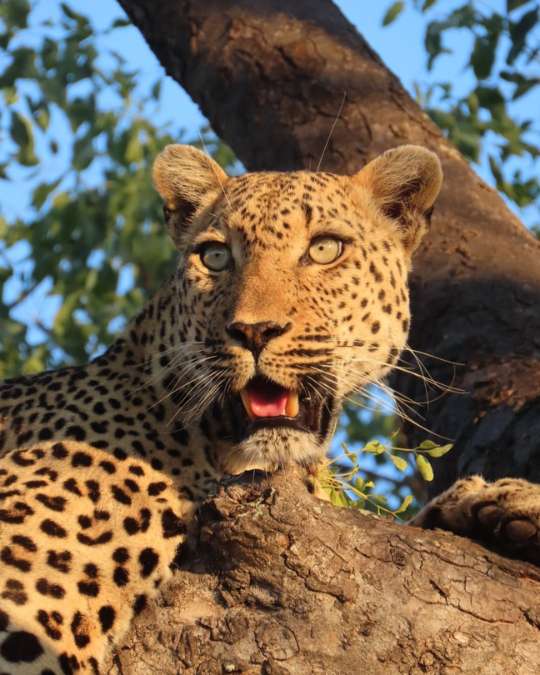
Safari is not about chasing sightings, it is about understanding the rhythm of the bush. Early mornings, patience, and the right guide shape the experience, while wildlife is not guaranteed. Over time, smaller animals and daily patterns become just as interesting as the well-known species, and that way of seeing stays with you when you return home.
This guide covers what you need to know before your first safari, based on how the experience unfolds in practice.
1. Early mornings are part of the routine
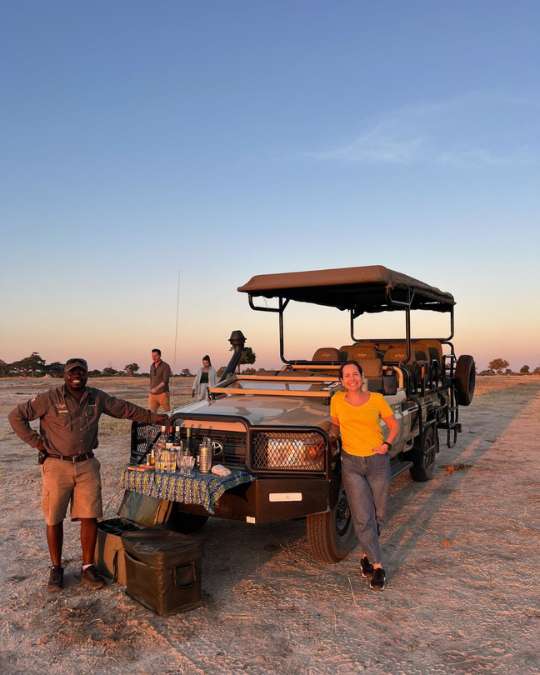
Safari days start early. Most game drives begin at sunrise, which usually means waking up before first light. For many travellers, this is one of the first adjustments.
Once you are out in the bush, the timing makes sense. The air is cooler, the light is softer, and animals are more active. Predators are often still moving, and herbivores begin to gather and feed.
The early start also shapes the rest of the day. After the morning drive, there is usually time to return to camp for breakfast and rest before the afternoon activity. Evenings tend to end earlier than on other trips.
It is a different pace, but it becomes natural after a day or two.
2. Every drive is different
No two game drives are the same, even in the same area.
Some mornings are active, with multiple sightings in a short period. Others are slower, where more time is spent tracking or observing the environment without immediate results.
This variation is part of the experience. Safari is not built around fixed outcomes. Animals move freely, and each day depends on what is happening in that moment.
Over several drives, you begin to see patterns, but there is always an element of unpredictability. This is what keeps the experience grounded and real.
3. It’s more than the Big Five
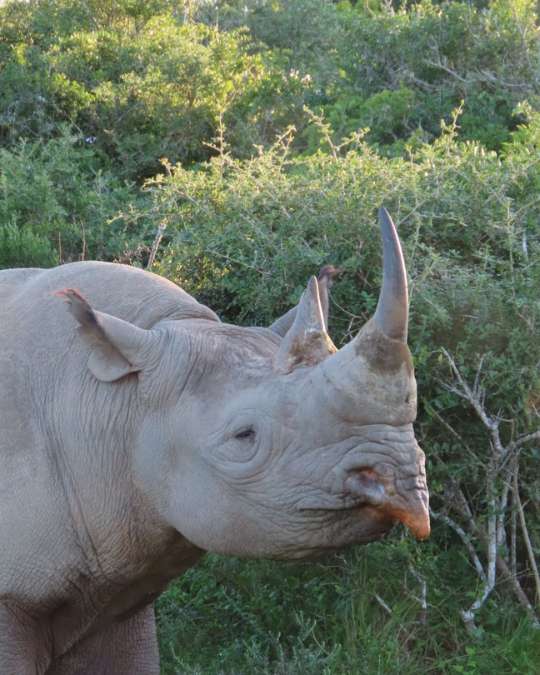
For first-time travellers, the Big Five often feel like the main goal. They are well known and easy to focus on before the trip begins.
Once you are on safari, that focus usually shifts.
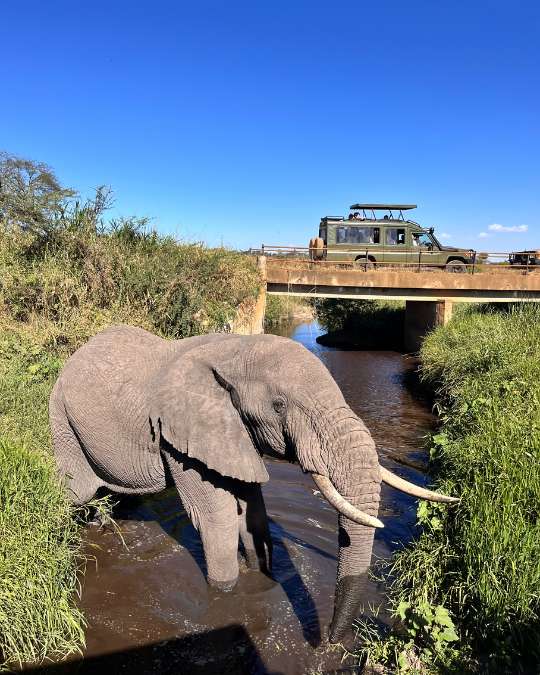
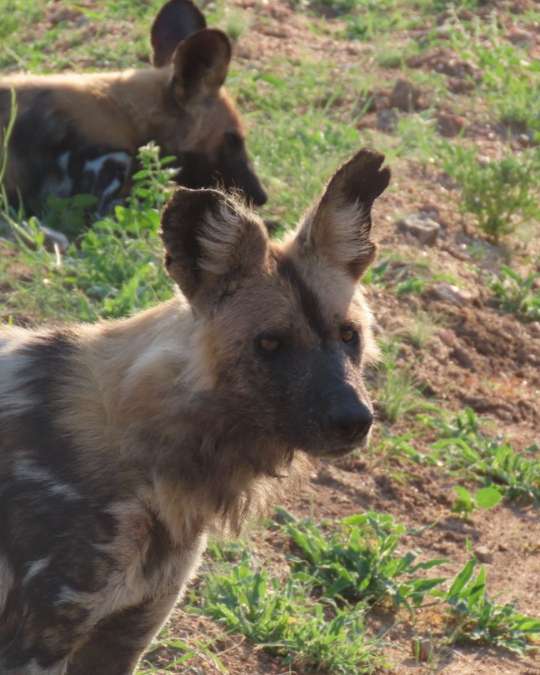
You start noticing smaller animals, birds, and how different species behave. A herd of elephants moving through an area, a group of antelope reacting to a distant sound, or birds following larger animals all become part of what you pay attention to.
These moments are not secondary. In many cases, they are what you remember most, because they show how the environment works as a whole.
A safari becomes more engaging when you move beyond a checklist and start observing what is around you.
4. What you wear matters
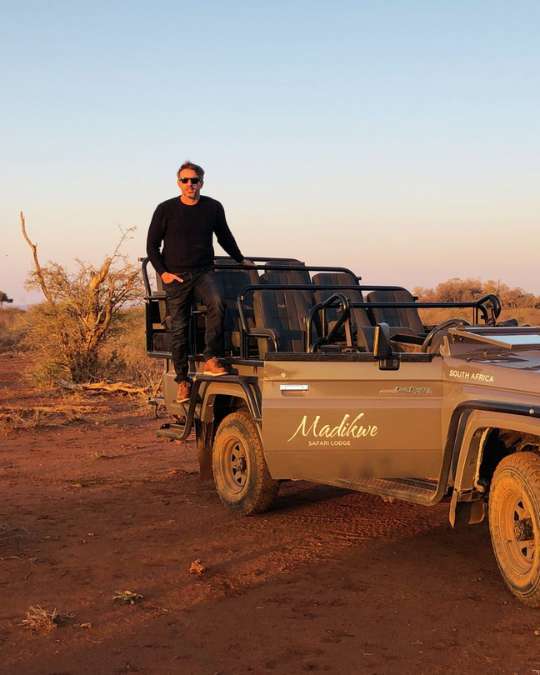
Clothing plays a practical role during a safari. Neutral colours such as beige, green, and light brown are standard. They work well in the environment and are comfortable for long periods outdoors.
Layering is important. Early mornings can be cold, especially during certain seasons, while temperatures increase as the day goes on.
A simple combination works best: a light jacket for the morning, breathable clothing for later in the day, and comfortable shoes.
There is no need for specialised gear. The focus is on comfort and practicality, as most of your time is spent sitting in a vehicle.
5. Your guide shapes the experience
The guide is one of the most important parts of any safari.
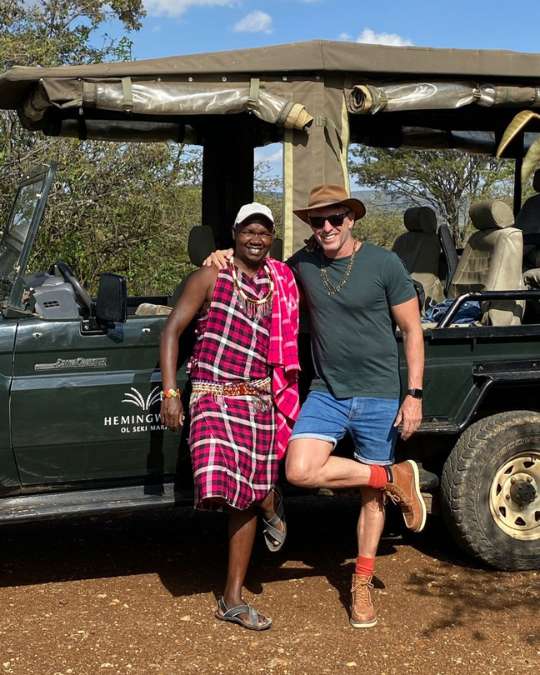
They do more than drive the vehicle. They track animals, read signs in the environment, and understand behaviour. This affects both what you see and how you understand it.
A good guide explains what is happening in a clear way. They might point out tracks on the ground, explain why a herd is moving in a certain direction, or describe how predators behave in different situations.
This turns each sighting into something more than just a moment. It gives context and helps you follow what is happening over time.
The quality of guiding often depends on the lodge and region, which is why choosing the right setup matters from the start.
6. Give each drive enough time
Safari requires time. Animals do not follow a schedule, and sightings often depend on patience.
You may spend part of a drive following tracks or waiting in one area. In other cases, you might come across animals quickly but stay longer to observe their behaviour.
Moving too quickly between locations usually does not improve the experience. Many of the best moments come from staying in one place and allowing things to develop.
This is also why most safaris are planned over several days. It allows for a range of experiences without pressure to see everything at once.
7. Wildlife is not guaranteed
This is one of the most important points to understand before your first safari.
Animals move freely, and sightings vary from one drive to the next. Some outings are active, while others are quieter.
Over the course of several days, you are likely to see a wide range of wildlife, especially in well-managed areas. Even so, there are no fixed outcomes.
This is part of what makes safari different from other types of travel. When you do see animals, it feels natural and unplanned.
Understanding this in advance helps set realistic expectations and allows you to enjoy the full experience.
8. It stays with you long after the trip ends
Time in the bush changes how you observe your surroundings.
You begin to notice smaller details, such as sounds, movement, and patterns in animal behaviour. The pace of the day also shifts, with more time spent watching and less time rushing.
When you return home, this does not disappear immediately. Many travellers find they remain more aware of their surroundings and more comfortable with slower moments.
It is not something you think about before the trip, but it becomes clear once you have experienced it.
Planning Your First Safari
Planning a safari involves more than choosing a destination. The region, lodge, and structure of the itinerary all affect how the experience feels.
Some areas are better suited for first-time travellers. They offer consistent wildlife viewing, shorter travel times, and well-established lodges.
Other regions are more remote and require more time to reach. These can be rewarding, but they need careful planning to avoid fatigue from travel.
The way your itinerary is built also matters. Long transfers, poorly timed flights, or too many location changes can affect the overall experience.
Working with someone who has first-hand knowledge helps simplify these decisions. It allows you to focus on the experience itself rather than the logistics behind it.
When to Go on Safari
Timing plays an important role in safari planning.
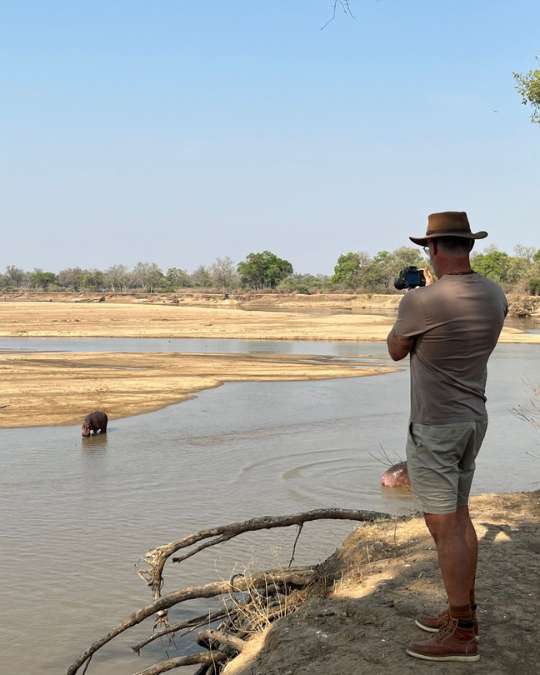
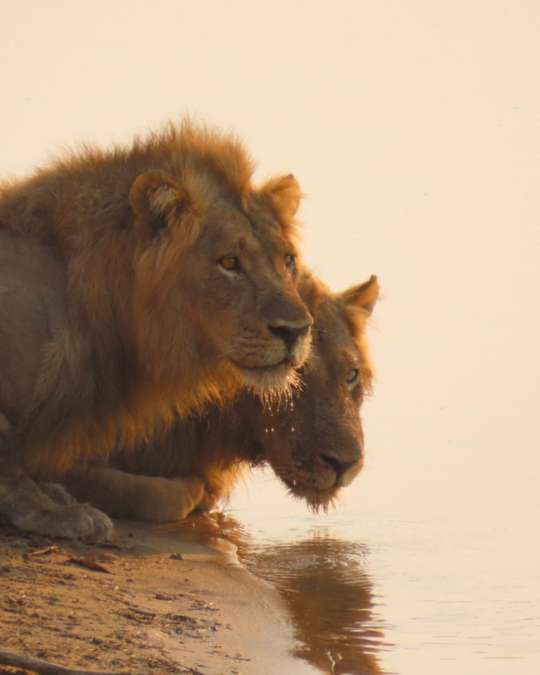
In southern Africa, the dry season (typically May to October) is often the best time for wildlife viewing. Vegetation is thinner, and animals gather around water sources, making them easier to find.
In East Africa, timing depends on the region and whether you are interested in seasonal events such as the migration.
Green seasons, which fall outside peak dry periods, offer fewer crowds and lower rates, but wildlife can be more spread out.
There is no single best time for everyone. It depends on your priorities, budget, and how you want the experience to feel.
Choosing the Right Safari Style
Safaris are not all the same. The style of experience depends on the type of lodge, level of service, and how private the setting is.
Some travellers prefer smaller camps with fewer guests and a more flexible approach to game drives. Others prefer larger lodges with more facilities.
Private reserves often allow more flexibility, including off-road driving and fewer vehicles at sightings. National parks can offer larger areas but with more restrictions.
Understanding these differences helps you choose a safari that fits your expectations.
A safari has its own structure and pace.
Understanding this before you travel allows you to settle into the experience rather than trying to shape it around expectations from other types of trips.
Once you adjust to the rhythm, the experience becomes more natural and more engaging.
If you are considering your first safari, I can help you plan it in a way that feels clear and well-paced, based on the regions and lodges I know personally.
Ready to Breathe Africa?
Africa awaits, with its vast horizons and timeless beauty. Let us design a journey for you—seamless, sophisticated, and entirely your own.
Reach out and let’s begin your African story—crafted with care, delivered with distinction.